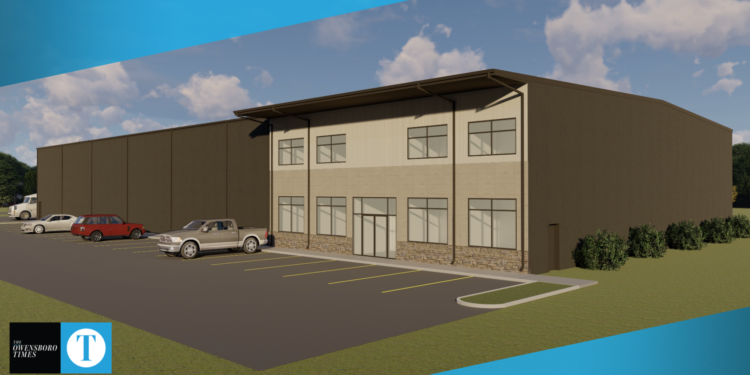
The Green River Community Food Warehouse has raised nearly $3 million toward the $4.15 million officials say is needed to create a refrigerated facility that will house perishable foods for distribution to food pantries and soup kitchens.
Food Warehouse board member Steve Innes said Tuesday the focus for 2026 will be continued fundraising, including a public campaign. While dates are not set, Innes said the board hopes the facility will be ready in late 2027.
He said the group will be able to start some programs before the warehouse is complete.
Innes said the board is looking to take ownership of the Clark Distributing facility at 1222 E. Fourth St., near Leitchfield Road.
Taking over the facility will depend on when Clark Distributing relocates to a new facility, which will include purchasing property and construction, Innes said.
When the food warehouse board will gain access to the facility “sort of depends on (Clark Distributing’s) timetable,” Innes said. He said the board is “comfortable” with late 2027 as a target for opening the warehouse.
The Clark facility is a good location because it is downtown and near area food pantries, Innes said.
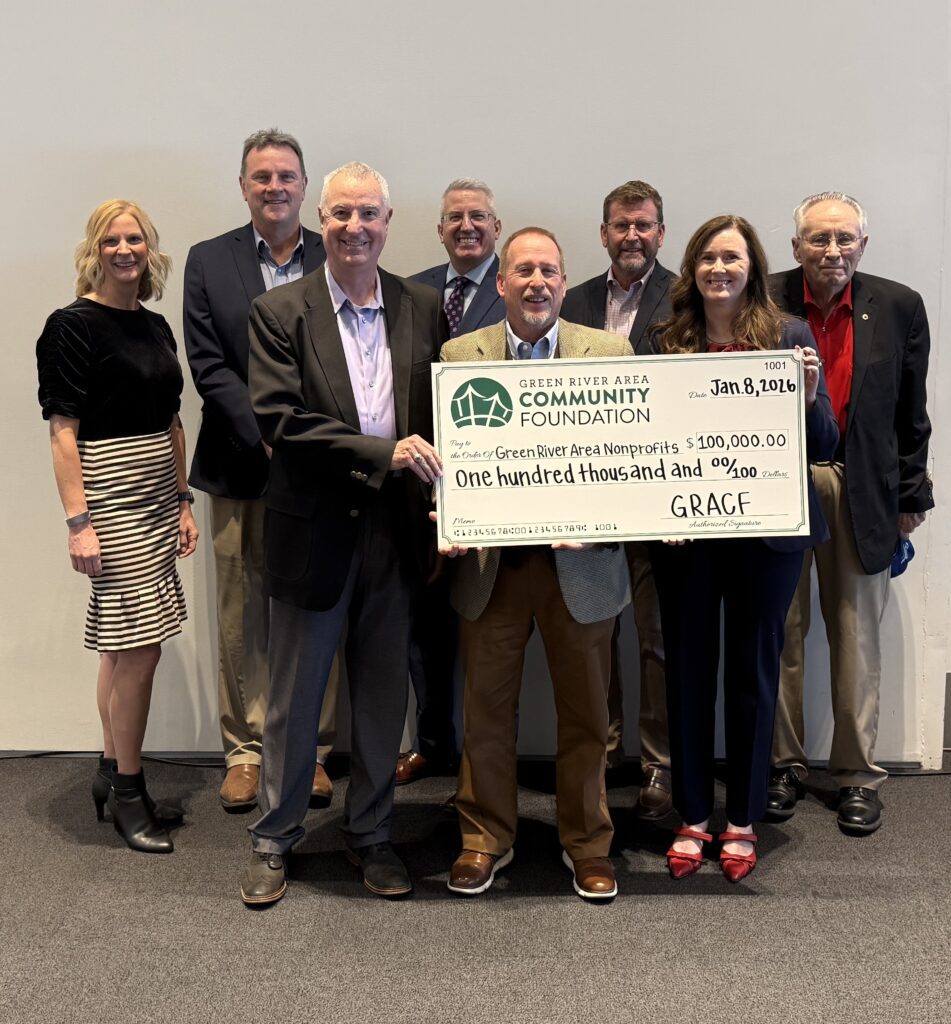
The board has been working with foundations and has received multiple donations. The nonprofit organization also received multiple grants last year, including from Impact 100 and the Green River Area Community Foundation. The board has also received donations and grants from businesses such as Atmos Energy and Glenmore Distillery.
“Now we are confident, with the funding that’s coming, (that) the community is really stepping behind us,” Innes said.
Innes said the organization is planning its first public fundraising campaign later this year. The board has also talked with state legislators about the possibility of receiving state funds for the project, he said.
“We’ve had conversations with all of our state representatives,” Innes said, adding, “I would say DJ (Johnson) and Suzanne (Miles) have been particularly interested.”
“I know when we met with DJ and Suzanne they were enthusiastic about what this project could do,” Innes said.
He said local lawmakers would have to weigh the project against other priorities during the session.
The public fundraising campaign will involve the community in the project, Innes said.
“We still have a ways to go, but we are almost to the three-quarters point,” Innes said.
The $4.15 million total includes $750,000 to operate the facility for three years.
After that, Innes said the food warehouse board plans to be financially self-sustaining by renting some space in the facility to businesses that need refrigerated storage.
A local food insecurity council was formed through a partnership with Owensboro Health, Innes said.
The council is looking beyond having a warehouse to store refrigerated food for pantries. Its goal is to address the systemic roots of food insecurity, he said.
“Food insecure people are some of the most disadvantaged people in our community,” Innes said.
Examples include single mothers, veterans and grandparents raising their grandchildren.
“We are really focusing on people who are disadvantaged,” Innes said. Other issues the food insecurity council is examining include how to get food to “food deserts” in the city.
The plan is to begin work before the facility is ready, such as renting refrigerated containers that can be used to store food, Innes said.
“We are not going to be sitting on our hands,” Innes said.
0 Comments