BY Sam Knef Kentucky
PUBLISHED 6:22 PM ET Mar. 03, 2026
OWENSBORO, Ky. — A nonprofit in western Kentucky is closing in on its fundraising goal to build a centralized food warehouse. The facility will help address food insecurity for more than 15,000 people in Owensboro and Daviess County.
What You Need To Know
A western Kentucky nonprofit is close to raising $4 million to build a centralized food warehouse in Owensboro to fight hunger for more than 15,000 people
The Green River Community Food Warehouse will store fresh and frozen food and distribute it to about 30 local pantries and kitchens
Once open, it’s expected to more than double current food support, adding over 200,000 meal equivalents a month for an additional 2,400 people
The goal is to wrap up construction and install equipment in time for an opening in 2027
The Green River Community Food Warehouse has secured nearly $3 million toward its $4 million capital campaign, officials said in February. The effort is supported by pledges from the City of Owensboro, the Hager Educational Foundation and the Public Life Foundation, each contributing $500,000, along with grants from Owensboro Health, individual donations totaling about $425,000 and commitments from the organization’s board.
Steve Innes, executive director of the Green River Community Food Warehouse, said the project addresses a critical gap: Large quantities of donated fresh produce, proteins and frozen goods often bypass local pantries because of a lack of temperature-controlled storage.
Innes said the need is hidden but real.
“It might be like a single mom raising kids on two low-income jobs, or a veteran that’s struggling to get by, or grandparents who are on fixed income raising dependent children,” Innes said. “They don’t make a lot of noise. Most of them are working, but they’re struggling to get by. Their issue is not what’s for dinner tonight, but will there be dinner at all?”
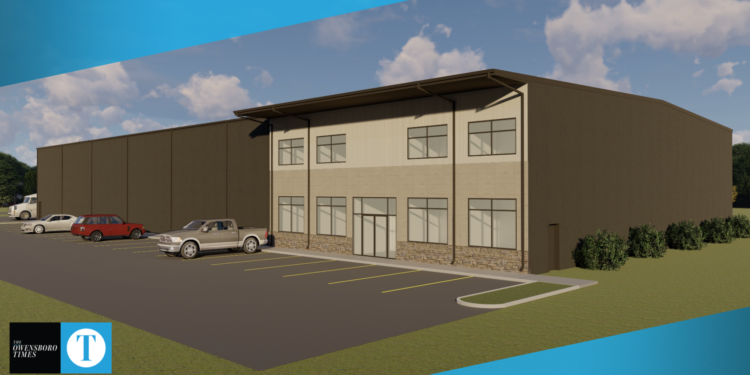
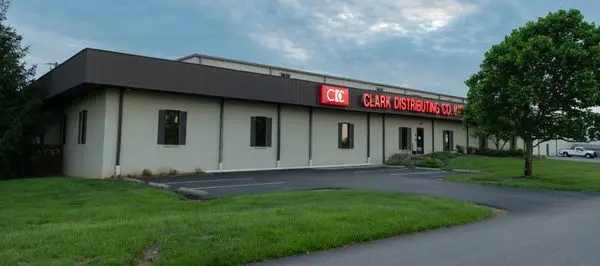
The warehouse is planned for the former Clark Distributing Company building at 1222 E. Fourth St. in downtown Owensboro. It would collect donations and give them to nearly 30 partner pantries and kitchens.
“Our pantries and kitchens are our community partners in this effort, and they do a great job with the resources that they have,” Innes said. “But collectively, they are providing about 165,000 meal equivalents per month and feeding about 1,800 people. When we open our doors, we’re going to be able to more than double that with over 200,000 incremental meal equivalents and serving an additional 2,400 people.”
Innes, a retired corporate supply-chain executive, said the group is entering its final fundraising phase, with a public campaign planned later this year. The goal is to wrap up construction and install equipment in time for an opening in 2027.
Capt. Victor Haworth of the Salvation Army Owensboro, which serves more than 13,000 households annually through its pantry, called the project a “phenomenal impact.”
“A lot of people think that it’s just folks who aren’t working, people who are down on their luck,” Haworth said. “But a lot of times, the people we see here are working families. They are folks who are on Social Security and they find that Social Security does not cover their monthly bills.”
Haworth said the current reliance on the Tri-State Food Bank limits flexibility in distribution.
“They do fantastic work throughout the region. But they do have parameters of what they can and cannot do with those foods, including how often someone can come in every month to receive food. And if we had another large source, then we could lift some of those parameters,” he said. “There are also times when we are short on items. There’s certain foods that are harder to get. Your meats are harder to get. Milk is harder to get. Bread’s harder to get. If they have those resources available, then that’s just going to help the community we serve and the people we serve even more.”
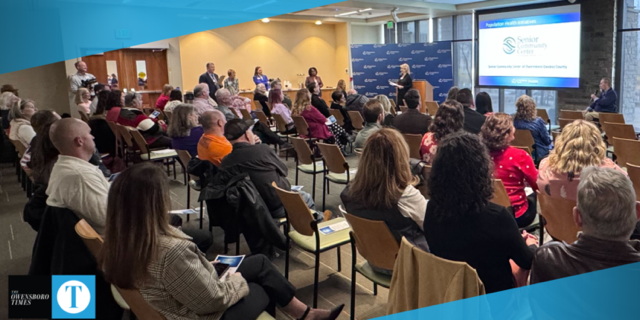
The initiative will form a Food Security Council in partnership with Owensboro Health to raise awareness, advocate for those affected and improve access in food deserts.
“The purpose of the Food Security Council is to improve awareness of the problem in our community, to become advocates for the people who are not able to speak for themselves, because if we don’t speak for them, who will?” Innes said.
The project remains in the acquisition and planning stages, with leaders emphasizing community collaboration to build a more resilient local food system.
0 Comments